
By Noel Massie (An excerpt from my upcoming book, “Congrats! You’ve Been Promoted”). Learn how to pre-order your copy here!

Warren Buffet, one of the wealthiest men in the world, explained when hiring people “you’re looking for three things, generally, in a person: Intelligence, energy and integrity. If they don’t have that last quality, then don’t bother.”
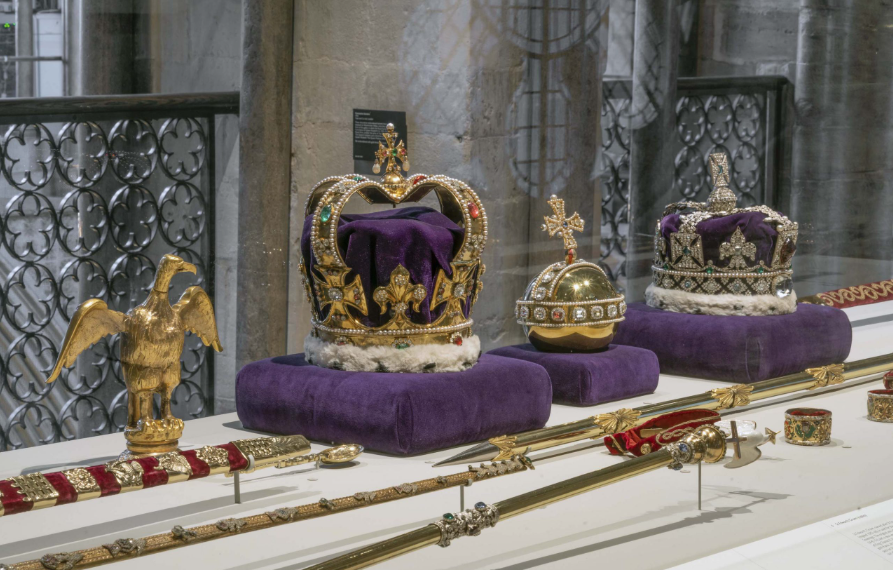
When I read this, I couldn’t agree more. And it started me thinking about a visit I made to London, where I saw the crown jewels. You wait in a long secure line to see them, and they are safely guarded twenty-four hours a day, seven days a week. They are considered the most valuable set of jewels in the world. They are so secure, there has been only one unsuccessful attempt by a thief to steal them since they have been on display to the public.
The crown jewel of value-based leadership is integrity. Throughout your career in a leadership position there will be more than one thief who will attempt to steal your integrity. As with the crown jewels you must protect it twenty-four hours a day, seven days a week.
The dictionary defines integrity as; “the principle of being honest and having strong morals.” While I agree with the definition I don’t think it goes far enough. In addition to being honest and moral, it is having the strength to keep your word, that is, to do what you are saying you are going to do to be worthy of someone’s trust. In engineering while integrity means something different there are similarities. When someone says a structure has “integrity” it will hold—withstand outside force and pressure.
On June 24th, 2021, a twelve-story condominium in the Miami suburb of Surfside collapsed. It happened at 1:22 am, while people were in their homes asleep. Ninety-eight people were killed, dozens of others were injured and hospitalized. These individuals trusted the structural integrity of the building. It failed them.
On August 1st, 2007, in Minneapolis, Minnesota the 35W bridge was loaded with rush hour traffic when it collapsed. There were 111 vehicles on it at the time, they all fell into the river below. Thirteen people died and one hundred and forty-five were injured. The drivers trusted the structural integrity of the bridge, otherwise, I am sure they would not have driven on it.
In the two examples above investigations for both incidents ensued. They revealed in both cases that the legally required structural inspections by engineers had been done. However, they were flawed. The dangers were known yet they were approved for continued use. Multiple lawsuits followed, as well as criminal charges aimed at those responsible for providing an assurance of safety. Engineers who attested to the use of these structures being safe were the ones whose integrity went on trial—not the bridges or condominiums. So the engineers were the ones who lacked integrity too.
Structural integrity within a team comes from the leader. To employees you are the bridge they cross every day and the building they sleep in at night. Before they give you their trust and confidence they can have no doubts about your integrity.
I saw more than a few leaders lose the trust of their people and in some cases their careers over a lack of integrity. When the moment arrived requiring them to be strong and handle the difficulties being placed upon them, they collapsed.
Having integrity as a core value means being strong in the face of adversity, keeping your word and never collapsing to external pressure.
In my forthcoming book Congrats! You’ve Been Promoted (currently available to add your name for pre-order notification on here) I highlight some important points. One is that “You’re Always Being Evaluated.” No matter where you are in any aspect of your lives, people are assessing you and your actions.
This is amplified when you are in a leadership position. Every instruction you give and word you say matters. Another is “There are no casual moments.” You are the leader, not the casual leader. As a young leader it is important to understand these principles in the beginning of your journey.
These are two small examples of how your integrity can be on the table. They are not unusual. So how do you protect your integrity? You must commit yourself to being honest and forthright. When faced with adversity, you must be committed to keeping your word, always doing what is right and ethical. Your integrity is “yours” and the only person who can lose it is you.
Integrity is the foundation that every other leadership trait sits upon. Protect it like the crown jewels.
Fill out the form below to pre-order your copy of Noel Massie’s upcoming book and receive a notification when it’s officially available for purchase.
noel@noelmassie.com